Does the Exact Time Your Energy Crashes Actually Tell You What's Causing It?
Quick Answer: Yes — a crash within 1-2 hours of breakfast usually points to a high-refined-carb morning meal spiking and then dropping blood sugar, a mid-morning crash (10-11am) often points to inadequate sleep or under-eating at breakfast, and the classic 2-4pm crash is more commonly tied to post-lunch blood sugar dynamics and a natural circadian dip — the timing is a genuinely useful diagnostic clue, not just a coincidence.
Your energy crash doesn’t happen at a random time — it happens at roughly the same time most days, and that consistency is actually a clue. Different times of day point to different underlying mechanisms, which means different fixes.

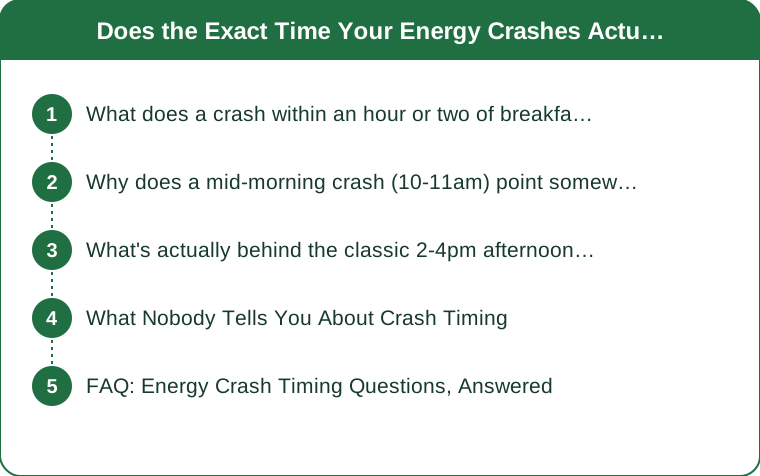
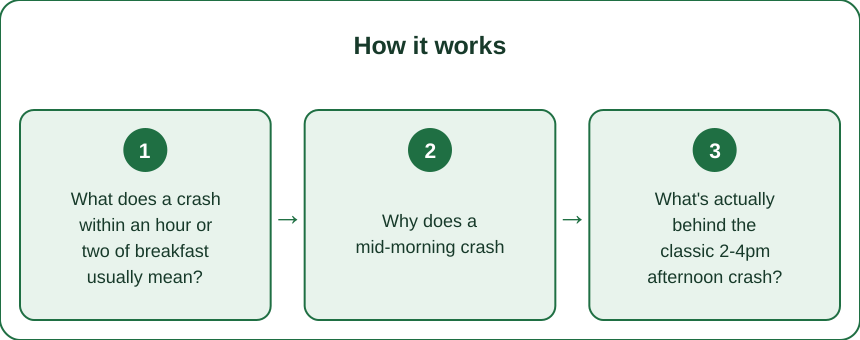
What does a crash within an hour or two of breakfast usually mean?
This pattern most often points to a breakfast heavy in refined carbohydrates with insufficient protein or fiber — a quick blood sugar spike from something like sugary cereal or a pastry, followed by an equally quick drop, which registers as a sudden energy crash.
The fix is typically rebalancing breakfast toward protein and fiber (eggs, Greek yogurt with fruit, or oatmeal with nut butter) rather than skipping breakfast or eating less overall.
Why does a mid-morning crash (10-11am) point somewhere different?
A crash before lunch even happens is less likely to be a food-timing issue and more often points to insufficient sleep the night before or an inadequate breakfast (too small or skipped) — the body running low on both rest-based and food-based energy simultaneously.
This is worth distinguishing from the classic afternoon crash specifically because the fix is different: more sleep and a more substantial breakfast, rather than adjusting lunch.

What’s actually behind the classic 2-4pm afternoon crash?
This one is the most well-documented and has two overlapping causes: a natural circadian dip in alertness that happens for most people in this window regardless of food, layered with post-lunch blood sugar dynamics if lunch was carb-heavy.
Because it’s partly circadian (not purely food-driven), this crash can’t be entirely eliminated through diet alone — some dip in this window is a normal physiological pattern, though a lighter, more protein-balanced lunch can reduce its severity.
What Nobody Tells You About Crash Timing
A crash that happens at inconsistent, unpredictable times is actually a different, more concerning signal than one with a reliable daily pattern — inconsistent timing is more suggestive of factors like variable sleep, stress, or hydration, and less cleanly attributable to a specific meal pattern, making it worth broader investigation.
Also underrated: tracking your crash time alongside what and when you ate for just a week turns a vague complaint into an actual diagnosable pattern most people can act on directly, without needing any special tools.
FAQ: Energy Crash Timing Questions, Answered
Is the 2-4pm crash unavoidable no matter what I eat?
Not entirely avoidable since part of it is circadian, but a lighter, protein-balanced lunch can meaningfully reduce its severity even if it doesn’t eliminate it completely.
Can dehydration cause a crash at a specific consistent time?
Less commonly at a fixed time than food or sleep-related crashes, since hydration effects tend to compound gradually rather than hit at a specific hour — though chronic mild dehydration can worsen any of the other patterns.
Should I see a doctor about a consistent energy crash?
If it’s severe, worsening, or unresponsive to sleep and diet adjustments over a few weeks, that’s worth a medical conversation to rule out underlying causes. This is general information, not medical advice.
Does caffeine timing affect which crash pattern I experience?
Yes — caffeine consumed too early can wear off right around the natural afternoon dip, compounding it rather than preventing it, which is worth considering if your crash consistently follows your last coffee by a predictable interval.
TL;DR:
- A crash 1-2 hours post-breakfast usually points to a refined-carb-heavy morning meal
- A pre-lunch crash more often points to poor sleep or an inadequate breakfast
- The classic 2-4pm crash is partly an unavoidable circadian dip, partly diet-related
- Inconsistent crash timing suggests broader factors (sleep, stress, hydration) worth investigating
This is general information, not medical advice — tracking your own pattern for a week turns a vague complaint into an actionable one.
Keep Reading
This article is for general informational purposes only and is not medical advice. Always consult a qualified health professional for guidance specific to you.