The Energy Crash That Hits Two Hours After a Workout (Not During or Right After It)
Quick Answer: The post-workout high is real but temporary — endorphins and adrenaline fade over 1–2 hours. Underneath them, fuel and fluid depletion has been building the whole time without producing symptoms yet. When the lift wears off and lands on top of your normal afternoon dip, you get a crash bigger than any single cause explains. Fix it with a real meal (not a bar), hydration spread across the next two hours, and a planned snack ready before the crash window arrives.
You leave the gym feeling fantastic. Genuinely great. You’re the kind of person who works out now.
Two hours later you’re staring at a spreadsheet with the cognitive capacity of a houseplant.
Nothing went wrong. The timing just isn’t what anyone told you it would be.

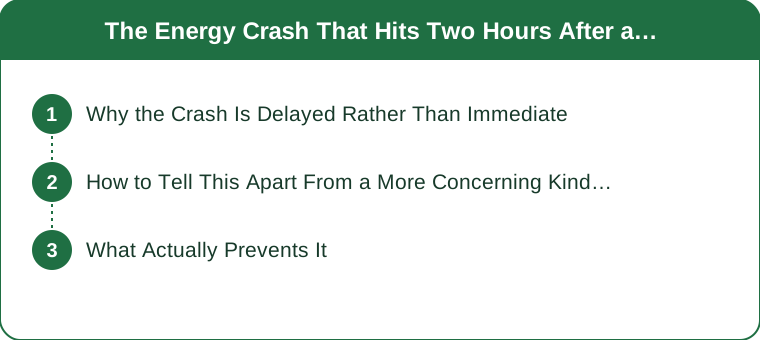
Why Does the Crash Come Two Hours Later Instead of Right Away?
Four things running on different clocks.
The immediate high is hormonal and time-limited. Endorphins and adrenaline elevate right after exercise and produce a real energized feeling. They also return toward baseline over the following one to two hours. That feeling was never a report on your fuel status — it was a temporary chemical overlay sitting on top of it.
Fuel depletion lags its own symptoms. You used glycogen and dropped blood sugar during the session, but that doesn’t reliably produce hunger or fatigue right away. The depleted state becomes noticeable once the hormonal lift fades and normal demands resume. The deficit was there at minute 10; the signal arrives at minute 120.
It lands on top of a dip you were already going to have. Most people have a predictable low-energy window — commonly 1pm to 3pm. A post-workout fuel deficit arriving in that window doesn’t add to it; it compounds with it. The result feels disproportionate to either cause alone, which is exactly why it’s so confusing.
Dehydration is also delayed. Mild fluid loss from a workout often produces no symptom for a couple of hours. Then it shows up as fatigue and a dull headache and you blame the workout intensity.

Is This Normal Fatigue or Something Else?
Two checks separate an ordinary delayed crash from something worth a conversation.
Does it respond to food and fluids? A crash driven by fuel and hydration deficit typically eases within 30–60 minutes of actually eating a real meal and rehydrating. That fairly quick turnaround is itself diagnostic. If eating fixes it, you’ve found your mechanism.
Does it track with workout days? The pattern should show up on days you trained and be largely absent on days you didn’t. If you’re equally wiped out on rest days, the workout isn’t the variable.
Worth a different look if: the fatigue persists despite adequate refueling and rest, shows up on non-workout days just as often, or has been building for weeks regardless of training. Persistent fatigue has plenty of causes — anemia, thyroid issues, sleep disorders, and others — that no amount of post-workout snacking addresses. That’s a conversation with a provider, not a nutrition tweak. Get seen promptly if it comes with chest pain, shortness of breath at rest, fainting, or unexplained weight loss.
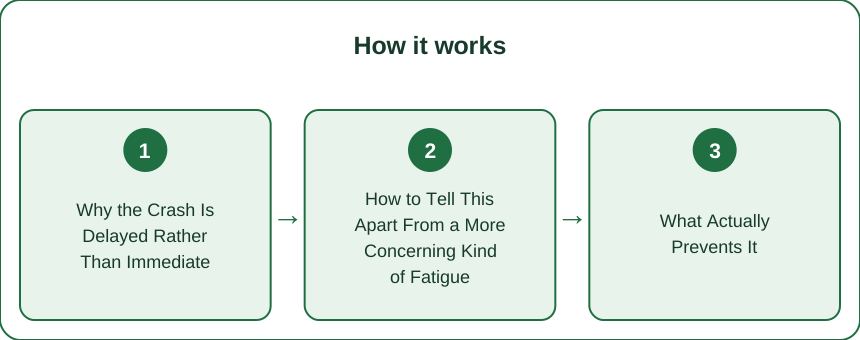
What Nobody Tells You About Post-Workout Refueling
A protein bar is not a meal, and it’s usually the whole problem. Standard advice fixates on the 30-minute “window” and a quick snack. That handles the immediate period and does very little for a deficit that produces symptoms at hour two. After a substantial session, eat an actual meal: 25–35g of protein, a real serving of carbohydrates, some fat. A bar with 10g of protein isn’t going to carry you through the afternoon, and it was never designed to.
Hydration isn’t a single bottle at the door. Keep drinking across the following two hours — another 16–24 oz spread out, not chugged. Since dehydration symptoms lag the actual fluid loss, front-loading one drink and stopping leaves you short exactly when it starts to matter.
Schedule around your own dip. If you know you fade at 2pm, a hard workout finishing at noon sets up a collision. Either train earlier, train later, or accept that the noon session requires a genuinely planned meal rather than an improvised one.
Have the crash-window snack ready before the crash. Decide at 11am what you’ll eat at 1:30pm. Once the crash hits, your judgment about food is measurably worse and the nearest vending machine wins. Something with protein and carbs together — Greek yogurt with fruit, a handful of nuts with an apple — takes ten seconds to set out in advance and saves the afternoon.
Mini FAQ
Does this mean I should eat before working out too?
If you’re training more than three or four hours after your last meal, a small carb-and-protein snack 60–90 minutes beforehand reduces how deep the deficit gets in the first place. It’s a real help, but it doesn’t replace refueling afterward.
Is caffeine a reasonable fix for the crash?
It masks it rather than fixing it, and caffeine late in the day trades an afternoon problem for a sleep problem — which makes tomorrow’s session worse. Eat first. If you still want coffee after that, fine.
Should I train less hard to avoid this?
Usually not necessary. The crash is a refueling and timing problem far more often than an intensity problem. Fix the meal and the hydration for two weeks before you reduce your training.
TL;DR:
- The post-workout high is endorphins and adrenaline, and it fades in 1–2 hours.
- Fuel and fluid depletion don’t produce symptoms right away — the signal arrives late.
- The crash compounds with your normal afternoon dip, which is why it feels outsized.
- Eat a real meal (25–35g protein plus carbs), not a bar; hydrate across two hours.
- Have the crash-window snack ready in advance. See a provider if fatigue persists on rest days too.
Keep Reading
This article is for general informational purposes only and is not medical advice. Always consult a qualified health professional for guidance specific to you.